

A Step-by-Step Guide for Audio Contractors on Venue Matching: Standardized Loudspeaker Selection Methodology of Clair Brothers Professional Audio
For audio contractors undertaking bar, theatre and ballroom projects, fast and accurate loudspeaker model matching is critical to controlling project costs and guaranteeing sound field performance. Without standardized selection logic, common issues such as over-equipment configuration, insufficient low-frequency output and incomplete sound coverage often arise. Based on the comprehensive product portfolio of the Clair Brothers Asia Series, we have compiled a three-step standardized selection workflow applicable to all fixed-installation projects nationwide.
Step 1: Define venue size and core business type, then classify spaces into three tiers
- Small venues (under 300 ㎡): Boutique bars, small Livehouses, conference rooms. Curved arrays kiTCURVE12-A and CAT115-A are the top choices.
- Medium venues (300–1200 ㎡): Mid-sized theatres, hotel ballrooms, corporate multi-function halls. Compact line arrays C8-A and i208-A are recommended.
- Large venues (over 1200 ㎡): Indoor stadiums, large-scale entertainment arenas, premium mega nightclubs. Flagship three-way line arrays C12-A and i212-A serve as standard configuration.
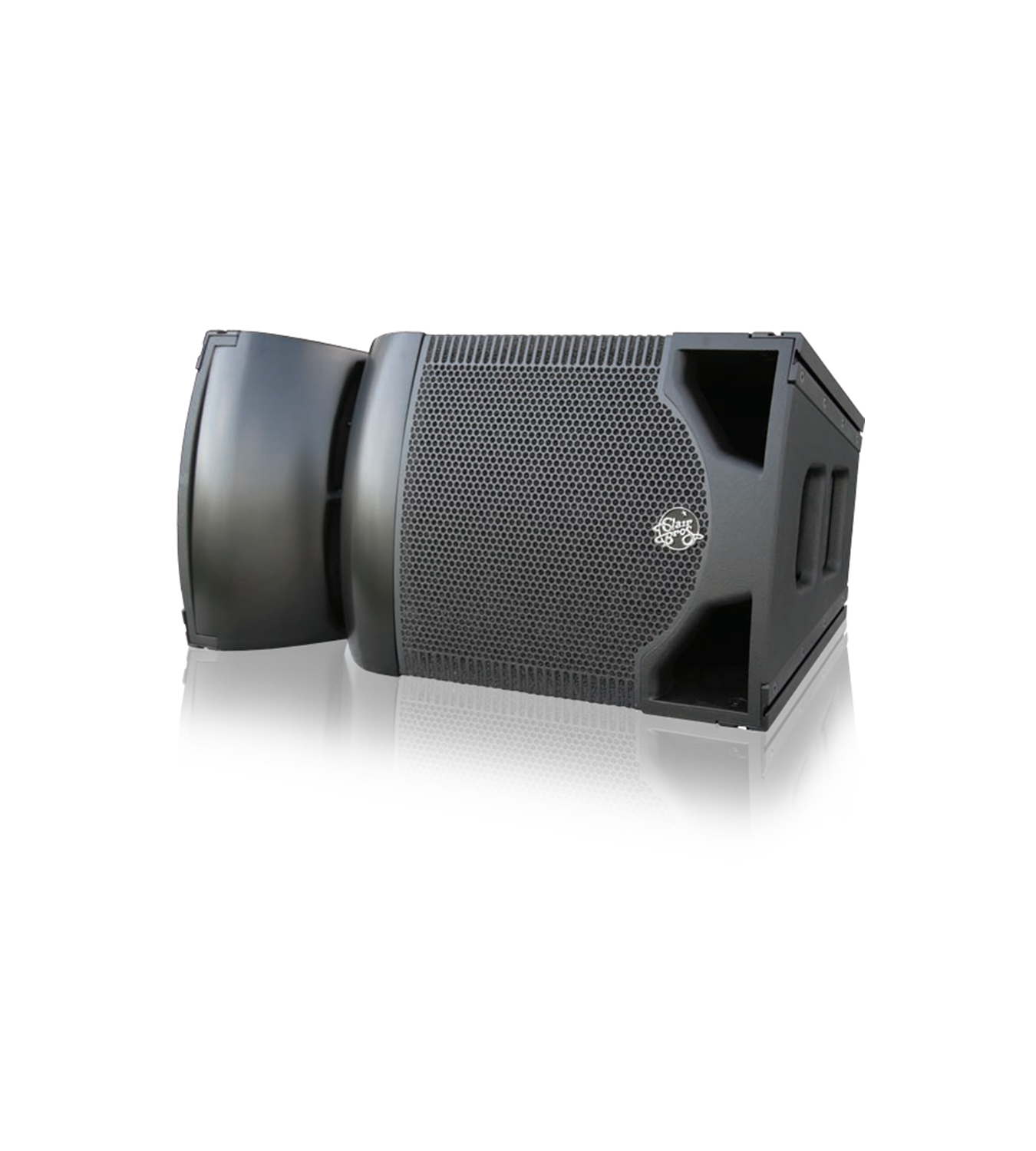 [Speaker Model:kiTCURVE12-A]
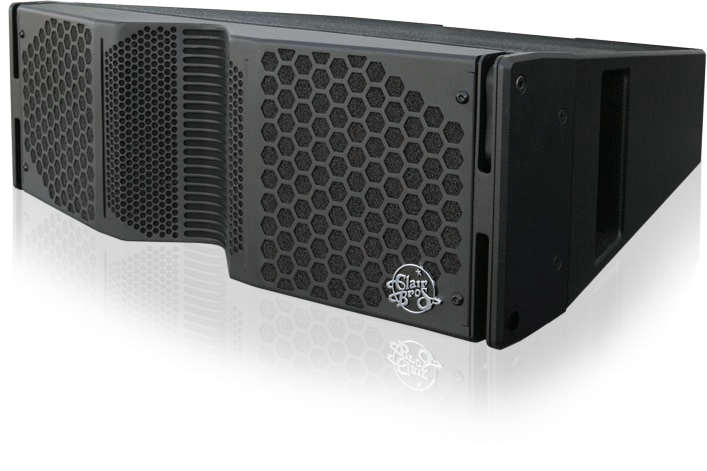 [Speaker Model:C8-A]
Step 2: Confirm venue installation conditions and choose between floor-standing and flown mounting modes
- No overhead trussing or rigging prohibited: Adopt CS Series floor-standing subwoofers exclusively. Main speakers can be placed on the ground or curved arrays wall-mounted.
- Complete overhead stage trussing available with demand for a streamlined, uncluttered stage: Deploy active i Series line arrays paired with flyable iS subwoofers. The entire flown sound system is suspended overhead to eliminate ground equipment clutter.
Step 3: Address sound field fill requirements with FF2-A fill speakers Sound dead zones exist in all venues, including front stage areas, under mezzanine balconies and behind private booth partitions, regardless of venue scale. The 8-inch FF2-A fill speaker is the universal solution. Its rotatable horn enables flexible coverage angle adjustment, while DSP tuning mitigates muddled midrange response to reinforce weak areas in the main sound field. This eliminates the need for additional high-power full-range speakers and avoids inflated project costs.
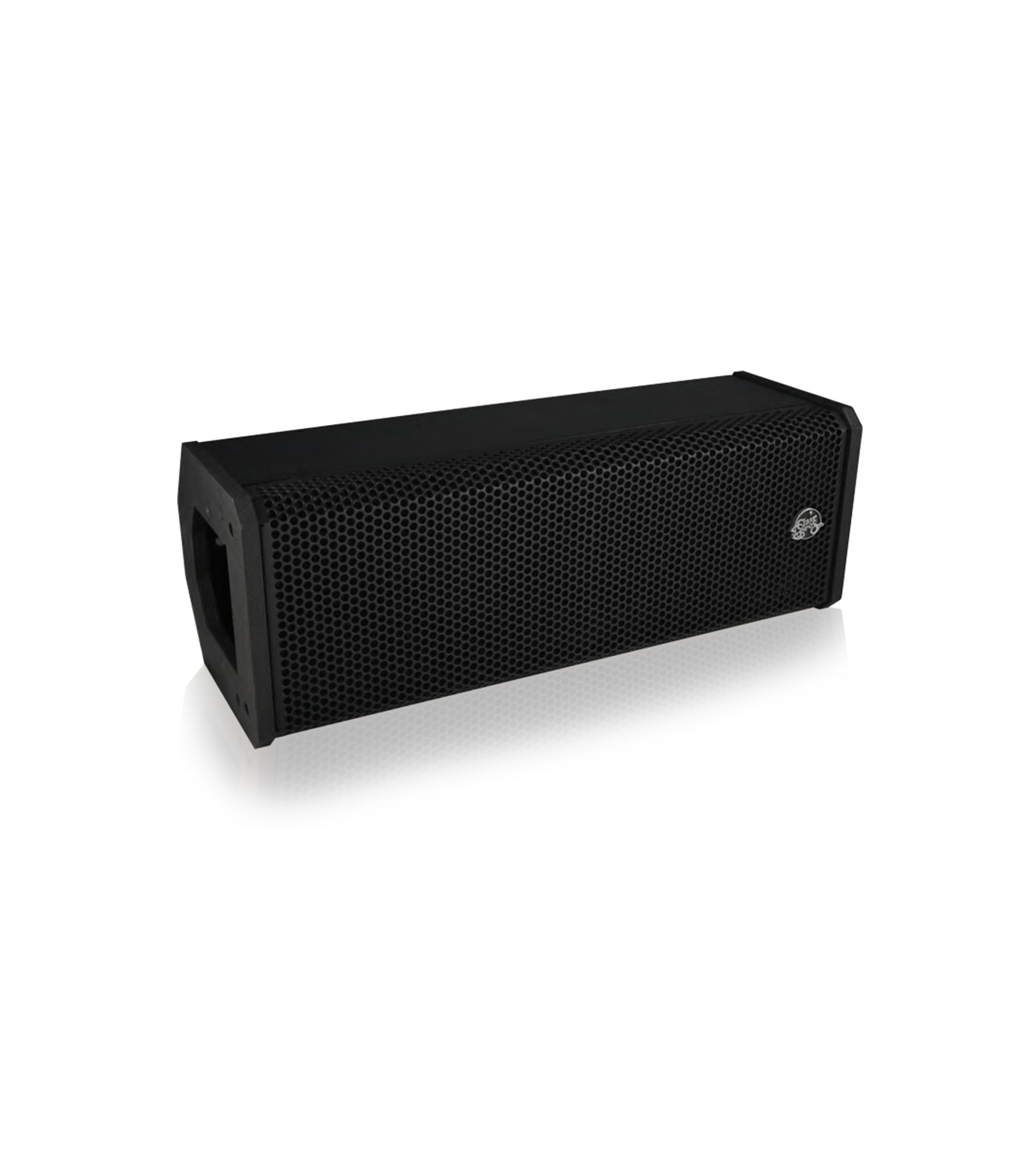 [Speaker Model:FF2-A]
Complete Selection Example 1: 200 ㎡ Boutique Livehouse without overhead trussing Main sound system: kiTCURVE12-A curved array; Subwoofers: compact floor-standing 12Sx-A; Front stage fill speakers: FF2-A.
Complete Selection Example 2: 800 ㎡ Hotel Ballroom with rigging trusses overhead Main sound system: active i208-A line array; Flyable subwoofers: iS118-A; Side stage fill speakers: FF2-A.
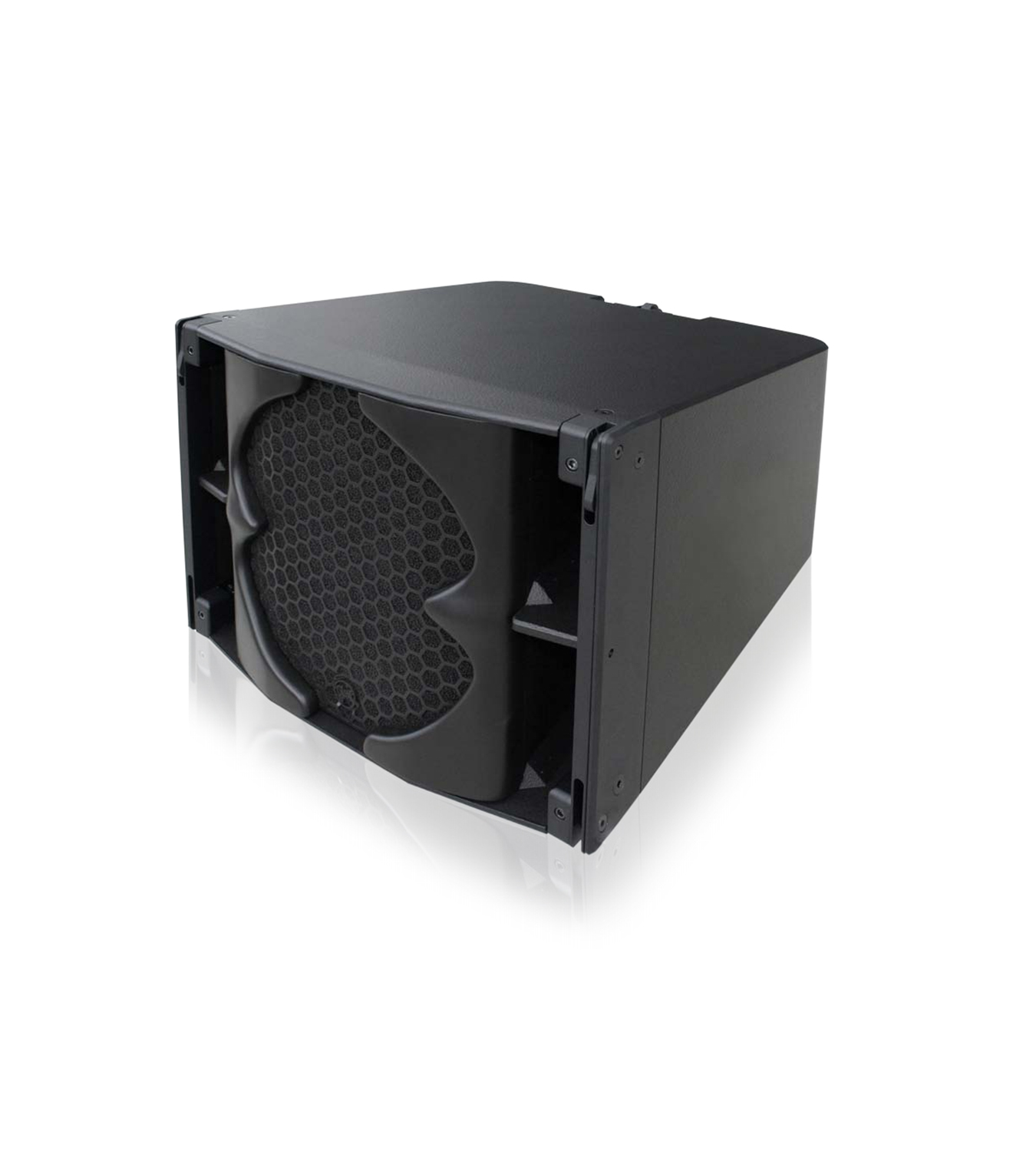 [Speaker Model:iS118-A]
Complete Selection Example 3: 1,500 ㎡ Large Nightclub with floor-placed low-frequency equipment Main loudspeakers: flagship C12-A line arrays; Subwoofers: heavy-duty floor-standing CS218-A dual 18-inch subs; Multiple FF2-A fill speakers deployed throughout the venue.
Contractors can generate equipment lists rapidly by following this three-step workflow. Meanwhile, the brand’s technical team can provide sound field simulation reports to verify speaker coverage and sound pressure matching, proactively preventing unsatisfactory acoustic performance after installation. This improves project delivery efficiency and maximizes client satisfaction.


